
In the world of hiring and recruitment, job interviews have long been the traditional method for assessing candidates’ suitability for a role. While resumes and cover letters provide valuable information about an individual’s qualifications and experiences, conversational job interviews have emerged as a powerful tool to truly understand a candidate’s potential. By engaging in meaningful conversations, employers can uncover key insights, assess cultural fit, and discover hidden talents that may not be evident on paper. In this blog post, we explore the transformative power of conversational job interviews and why they are becoming increasingly popular in the hiring process.
Beyond the Resume: Uncovering the Person
Resumes serve as the initial screening tool for employers, allowing them to shortlist candidates based on their qualifications and experience. However, they often provide a limited perspective on an individual’s capabilities, failing to capture their personality, communication skills, problem-solving abilities, and cultural fit. Conversational job interviews bridge this gap by offering a platform for candidates to showcase their authentic selves.
Through interactive discussions, employers can gain insights into a candidate’s thought process, how they approach challenges, and how they communicate and collaborate with others. By observing their demeanor, listening skills, and ability to articulate ideas, employers can assess their potential to fit within the company culture and work effectively with existing teams.
Unleashing Creativity and Problem-Solving Skills
Conversational interviews are particularly effective in evaluating a candidate’s creativity, critical thinking, and problem-solving skills. Traditional interviews often rely on hypothetical scenarios or case studies, which can feel detached from real-world situations. On the other hand, conversational interviews create an environment for candidates to think on their feet, express their ideas, and engage in dynamic discussions.
These interviews often involve open-ended questions that require candidates to analyze problems, propose solutions, and defend their choices. By providing a platform for free-flowing conversation, employers can assess a candidate’s ability to think critically, adapt to changing circumstances, and approach challenges with creativity. Such interactions offer a more accurate glimpse into how candidates might handle complex tasks and contribute to the organization’s growth.
Assessing Cultural Fit
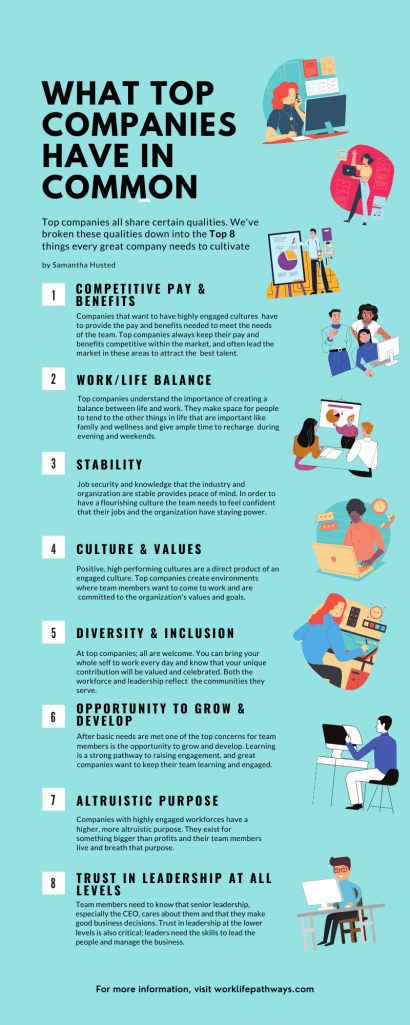
Cultural fit has gained prominence in recent years as organizations recognize the importance of creating cohesive and collaborative teams. Conversational job interviews provide valuable opportunities to assess how well a candidate aligns with the company’s values, mission, and work environment.
By engaging in open-ended conversations, employers can explore a candidate’s personal values, motivations, and aspirations. They can delve into their experiences, seeking stories that highlight their ability to work in diverse teams, handle conflicts, and adapt to new environments. These insights enable employers to make informed decisions about whether a candidate will thrive within the company’s unique culture and contribute positively to the team dynamics.
Creating a Positive Candidate Experience
Job interviews are not solely about assessing candidates; they also contribute to shaping the candidate experience. Conversational interviews, with their more relaxed and interactive nature, can create a positive impression of the company and its commitment to fostering meaningful connections.
When candidates feel genuinely engaged in conversation, they are more likely to open up, share their experiences, and express their true potential. This approach fosters a sense of trust and respect, leaving candidates with a favorable impression of the company regardless of the final hiring decision. Additionally, by allowing candidates to participate actively in the discussion, employers demonstrate that they value their input and opinions, reinforcing a culture of inclusivity and collaboration.
Conclusion
Conversational job interviews have proven to be a powerful tool for employers seeking to uncover a candidate’s potential beyond what is presented on paper. By engaging in meaningful conversations, employers can assess a candidate’s communication skills, problem-solving abilities, and cultural fit. Moreover, conversational interviews offer a positive candidate experience, leaving individuals with a lasting impression of the company’s values and commitment to fostering meaningful connections.
While resumes will always be an important part of the recruitment process, embracing conversational job interviews can unlock hidden talents, foster creativity, and ultimately lead to better hiring decisions. By recognizing the power of conversation, employers can ensure that they are not just hiring based on qualifications but also selecting individuals who bring the right skills, mindset, and cultural fit to contribute to their organization’s success.










 WorkLife Pathways